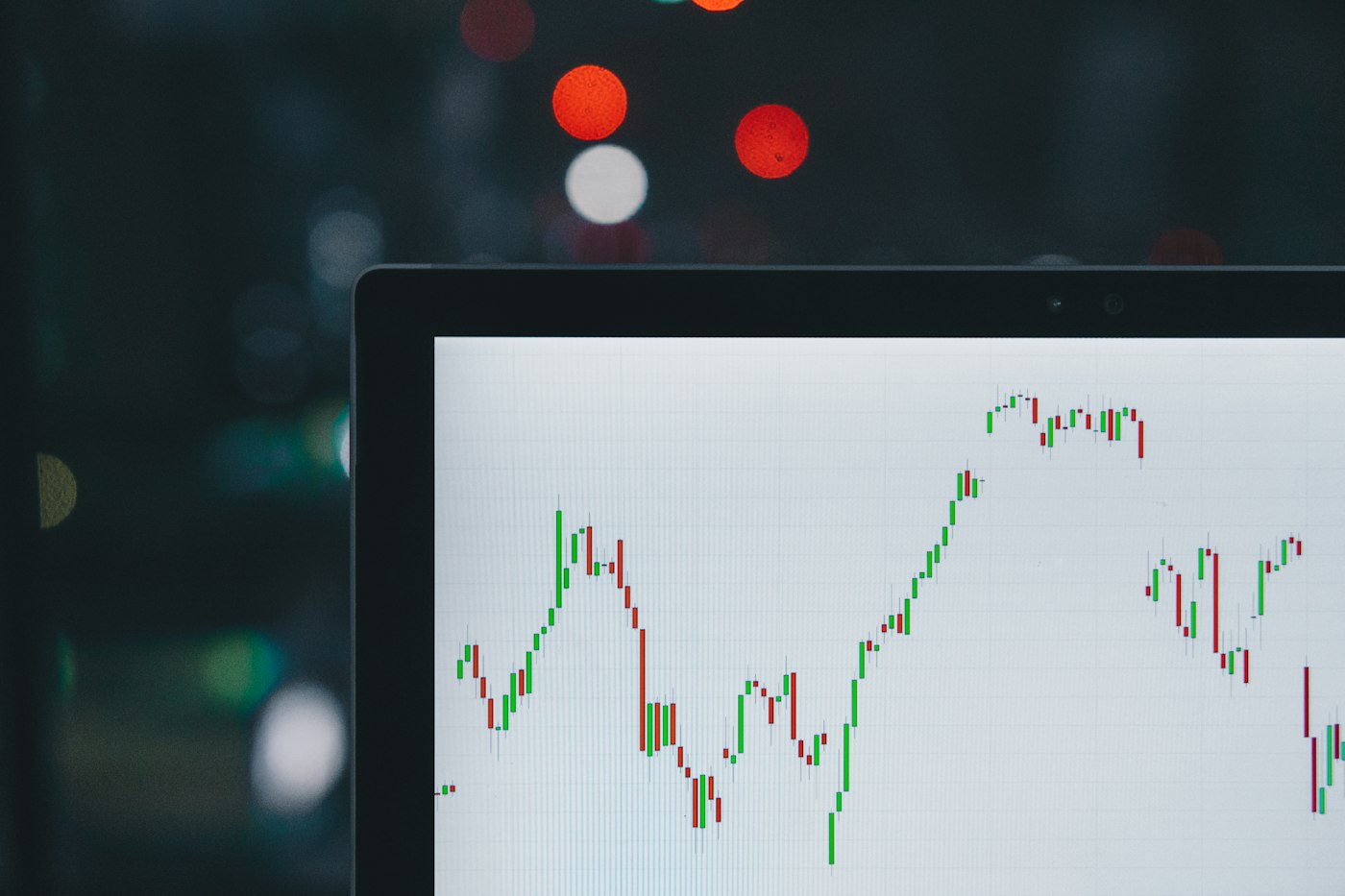
Rows of financial-market monitors displaying price charts and order-book data on a dark trading desk.
Editorial · AI in investment

Lucid Pattern Research — reading the limits of AI price prediction

Free editorial articles that examine where machine-learning models can — and cannot — anticipate asset prices. We publish analysis and take inquiries; we sell nothing, manage no money, and give no personalised investment advice.

Free to read No accounts, no paywall Inquiries only — nothing sold
Our process

How we read an AI price-prediction claim

Before we write about any model that markets itself as predictive, we walk it through the same four-stage reading. The point is not to score the model but to make its limits visible to a general reader.

  1. 1

    Locate the data the model actually saw

    A price-prediction claim is only as honest as its training window. We check which series, frequencies and survivorship rules the model consumed, because a model trained only on a bull market has rarely met a regime change.

  2. 2

    Separate forecast from fit

    In-sample accuracy and out-of-sample error are different species. We look for walk-forward evidence and ask whether reported numbers survived transaction costs and realistic execution lag, not just a clean backtest.

  3. 3

    Name the structural breaks the model cannot see

    Most price series contain regime changes that no amount of additional data will reveal in advance. We list the breaks — policy shifts, liquidity events, listing changes — that the model treats as ordinary variation.

  4. 4

    Write the limit plainly

    The article ends by stating what the model can reasonably be said to do, what it cannot, and what would have to change for that boundary to move. Readers leave with the limit, not a verdict.

The boundaries

Three limits we keep in view

Data

Markets are not stationary

Price data is generated by people reacting to other people. A model that learned its patterns in one regime will meet another regime, and the second one is under no obligation to resemble the first. We treat claims of "the model has learned the market" as a flag, not a finding.

Model

Capacity is not foresight

A larger neural network can memorise more history without gaining one day of genuine foresight. We distinguish a model that generalises from a model that has merely remembered.

Market

Your trade moves the price

A signal that works on paper is often a signal that stops working once it is traded. We read every claim against market impact, crowding and the gap between paper alpha and executable alpha.

What this is — and is not

An archive about restraint, not a tip sheet

Lucid Pattern Research publishes editorial and informational pieces on where AI meets investing, with the emphasis on what prediction cannot do. The archive is free to read. There is no account, no subscription, no paid tier and no sign-up wall.

We do not manage capital, execute trades, take deposits, sell signals or offer personalised investment advice. If a reader writes to us, the reply is editorial clarification only — never a recommendation to buy, sell or hold any security.

Browse the archive →

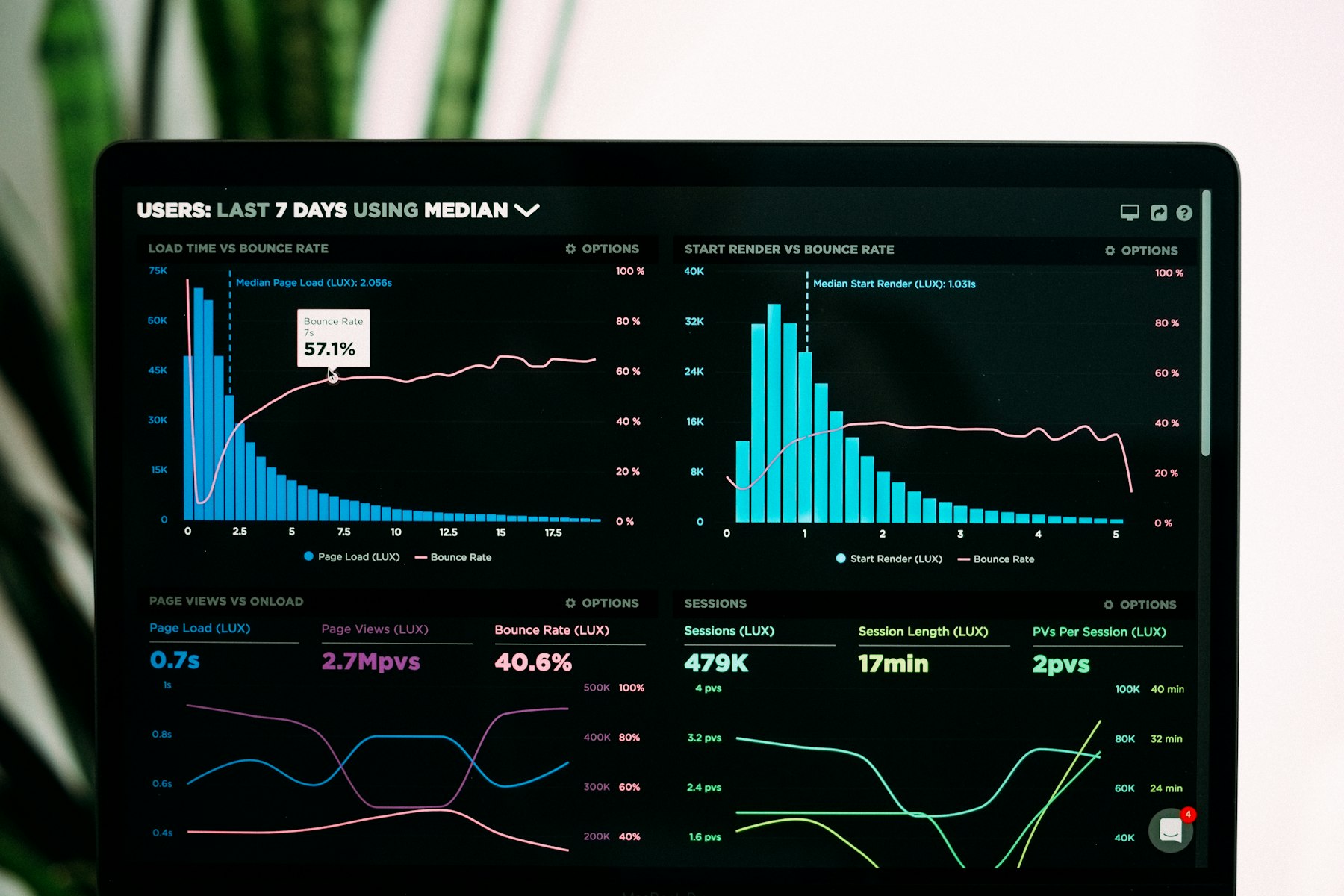
A dark analytics dashboard with line charts, candlestick panels and performance tables lit in teal.
Editorial reference desk — analysis, not execution.
Recent editorial

Latest articles in the archive

A quiet research workspace with a laptop showing data plots, a notebook, and a cup of coffee.
Reading room — inquiries answered by email.
Inquiries

Have a question about an article?

If something in the archive is unclear, or you would like us to write about a particular AI-investment claim, send an inquiry. We reply by email, usually within two business days, with editorial clarification only.

Reach the desk at info@lucidpattern.digital or +886 2 2721 5864.